Residential Electrical
Smoke & CO Detectors
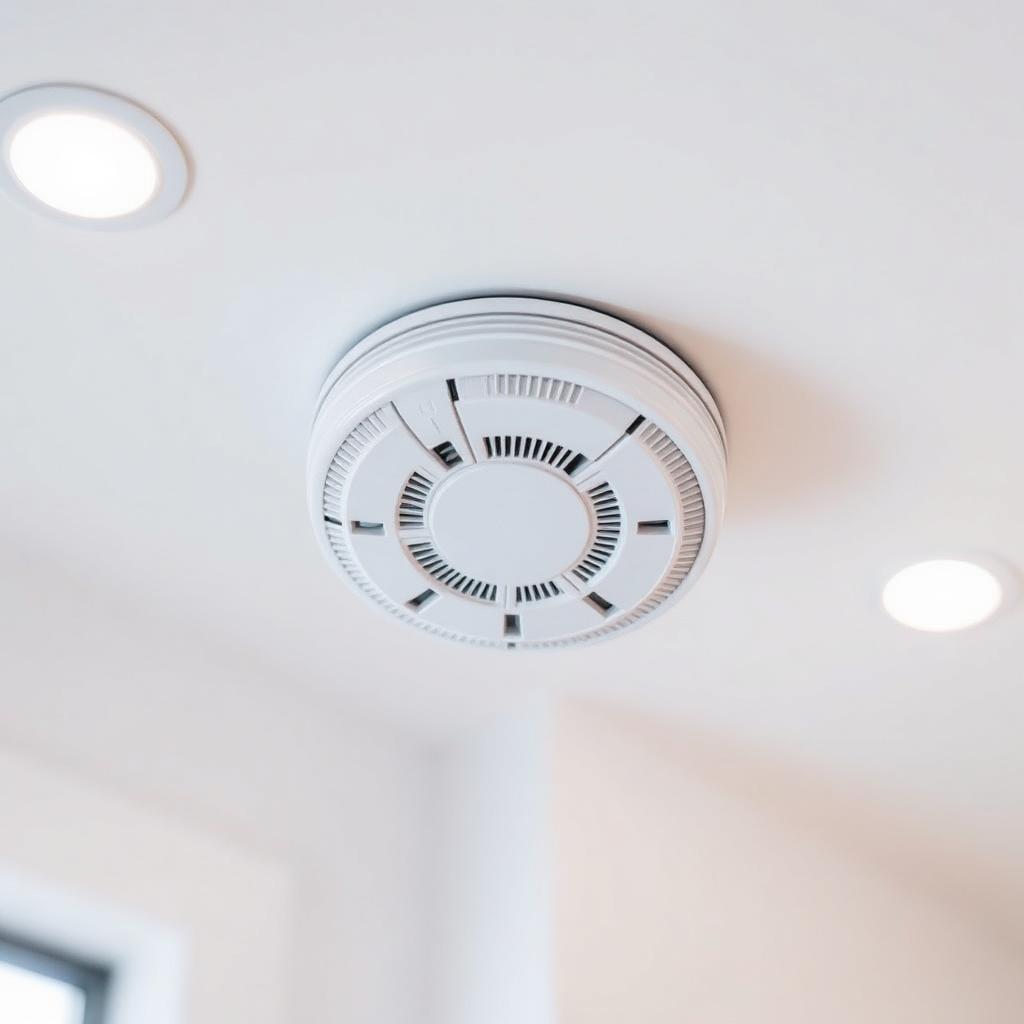
Hard-wired, interconnected life-safety devices with battery backup.
Overview
The B.C. Building Code requires interconnected smoke alarms in every bedroom, on every storey and outside sleeping areas, plus carbon-monoxide alarms near every sleeping area in homes with fuel-burning appliances or attached garages. We install and replace hard-wired Kidde, BRK and First Alert smoke/CO units with 10-year sealed batteries — so if one alarm sounds, every alarm in the house sounds, giving your family the maximum warning time.
Benefits
- Meets current BC Building Code requirements
- Interconnected — one alarm triggers all
- Battery backup keeps you protected during outages
- Combination smoke + CO units for fewer ceiling devices
Our Process
Code review
We walk the home, count required device locations and identify any gaps in current coverage.
Device selection
We recommend photoelectric, ionization or dual-sensor units, plus combination CO where required.
Wiring & install
Units are hard-wired and interconnected, with neat ceiling penetrations and tested battery backups.
Full system test
Every device is triggered and verified to alarm the rest of the system simultaneously.
Owner orientation
We show you how to test monthly and when to replace each unit (typically every 10 years).
Frequently Asked Questions
How often should detectors be replaced?
Smoke alarms should be replaced every 10 years and CO alarms every 7–10 years, even if they still sound when tested.
Do I need CO detectors?
Yes if your home has any fuel-burning appliance (gas furnace, fireplace, water heater) or an attached garage.
Can I add CO to an existing smoke alarm circuit?
Combination smoke/CO units replace existing alarms on the same wiring — usually a same-day upgrade.
Why hard-wired instead of battery only?
Hard-wired interconnection means every alarm in the house sounds together, dramatically improving escape time — and current code requires it for new construction and major renovations.
Project Gallery