Industrial Electrical
Industrial Lighting
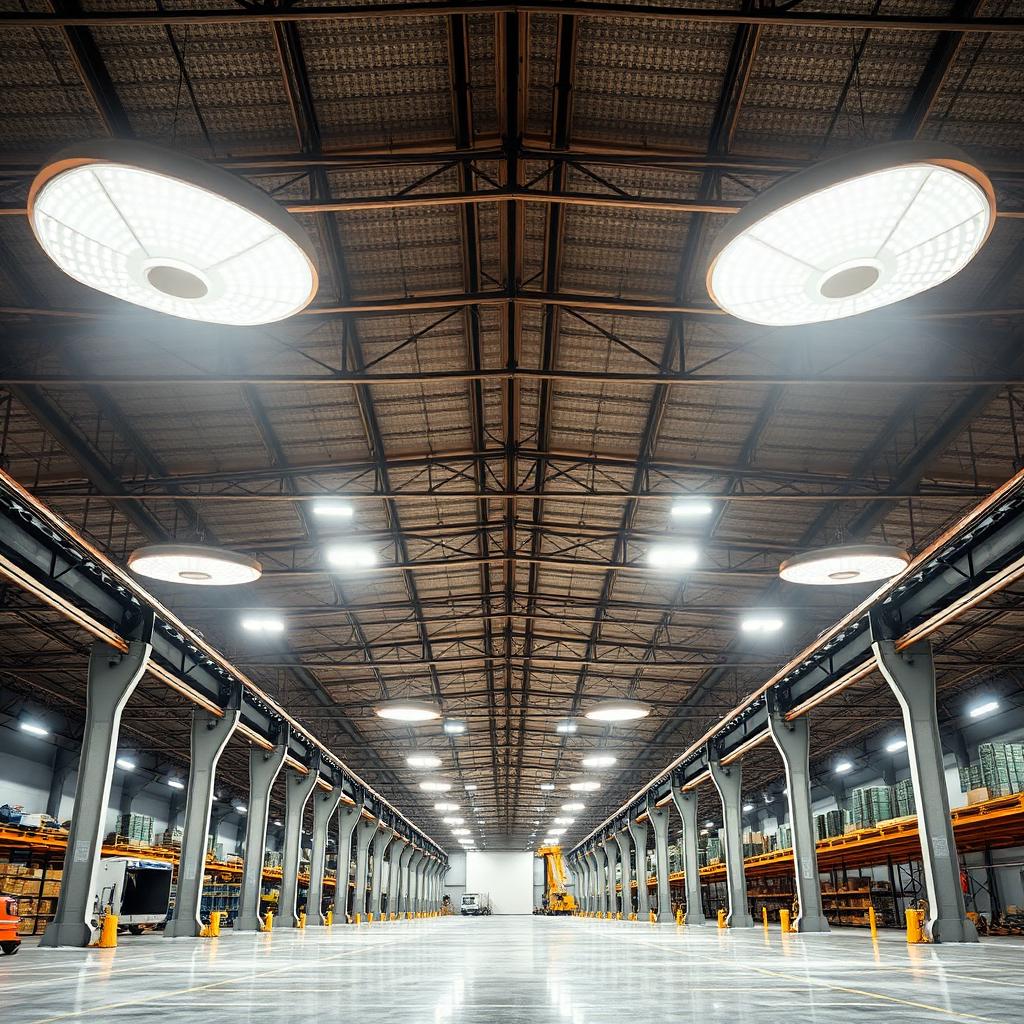
High-bay LED, task lighting and hazardous-location fixtures for plants and warehouses.
Overview
Industrial lighting has to survive dust, vibration, temperature swings and years of continuous duty. Dena Electronics designs and installs high-bay and low-bay LED lighting, task lighting for production and inspection areas, explosion-proof and Class I Division 2 fixtures for hazardous locations, and networked controls with motion sensing and daylight harvesting. Most retrofits qualify for BC Hydro Business Energy Savings Incentive rebates — we handle the paperwork.
Benefits
- DLC-listed high-bay LED with 100,000-hour life
- Hazardous-location fixtures for Class I, II and III locations
- Motion, daylight and networked controls for maximum savings
- BC Hydro rebate paperwork included
Our Process
Consultation
We meet with your maintenance, engineering and operations leads to understand production goals, uptime targets and existing electrical infrastructure.
Site Assessment
Our team walks the plant to review loads, arc-flash labels, single-line drawings and access constraints before finalising the scope.
Planning & Design
We prepare drawings, load calculations, short-circuit studies where needed, and a phased execution plan that respects your production windows.
Installation
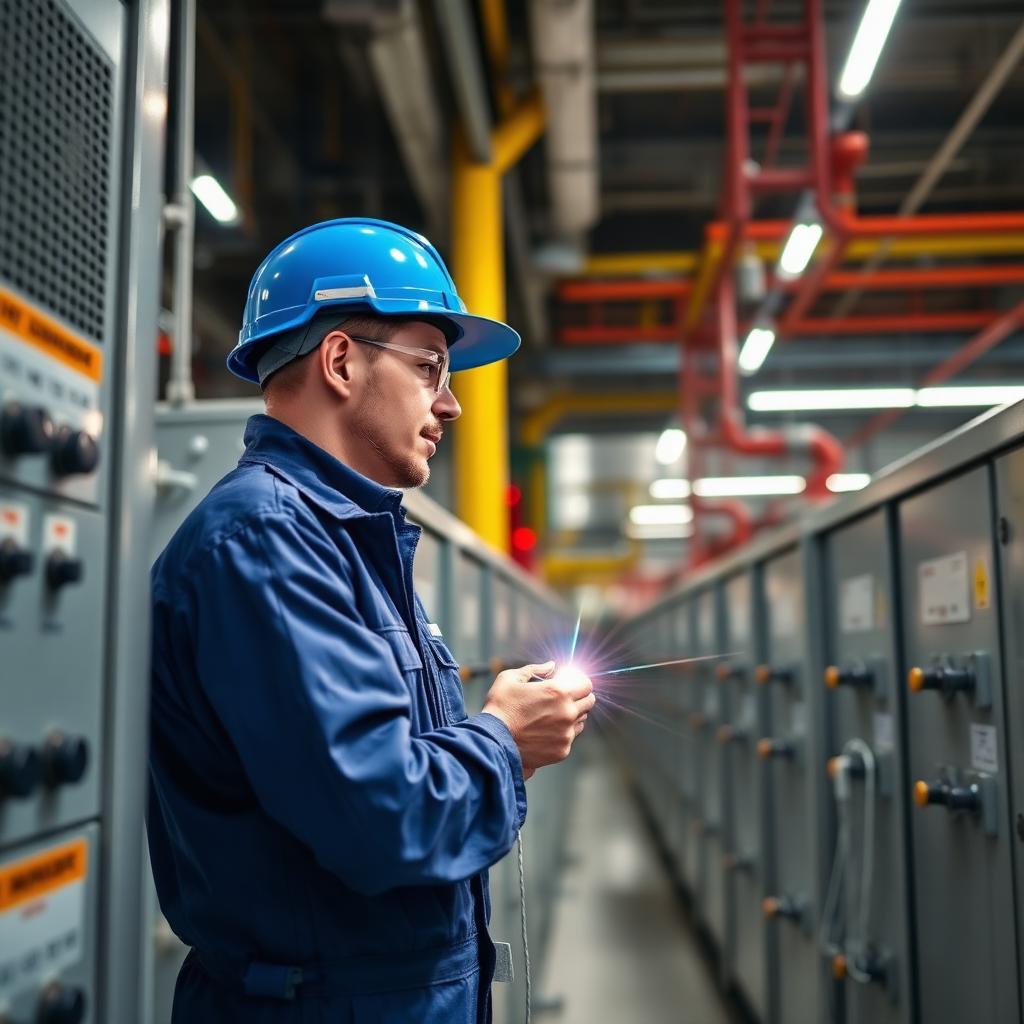
Qualified industrial electrical professionals execute the work to CEC and CSA Z462 standards, with lockout-tagout and full hot-work permits in place.
Testing & Commissioning
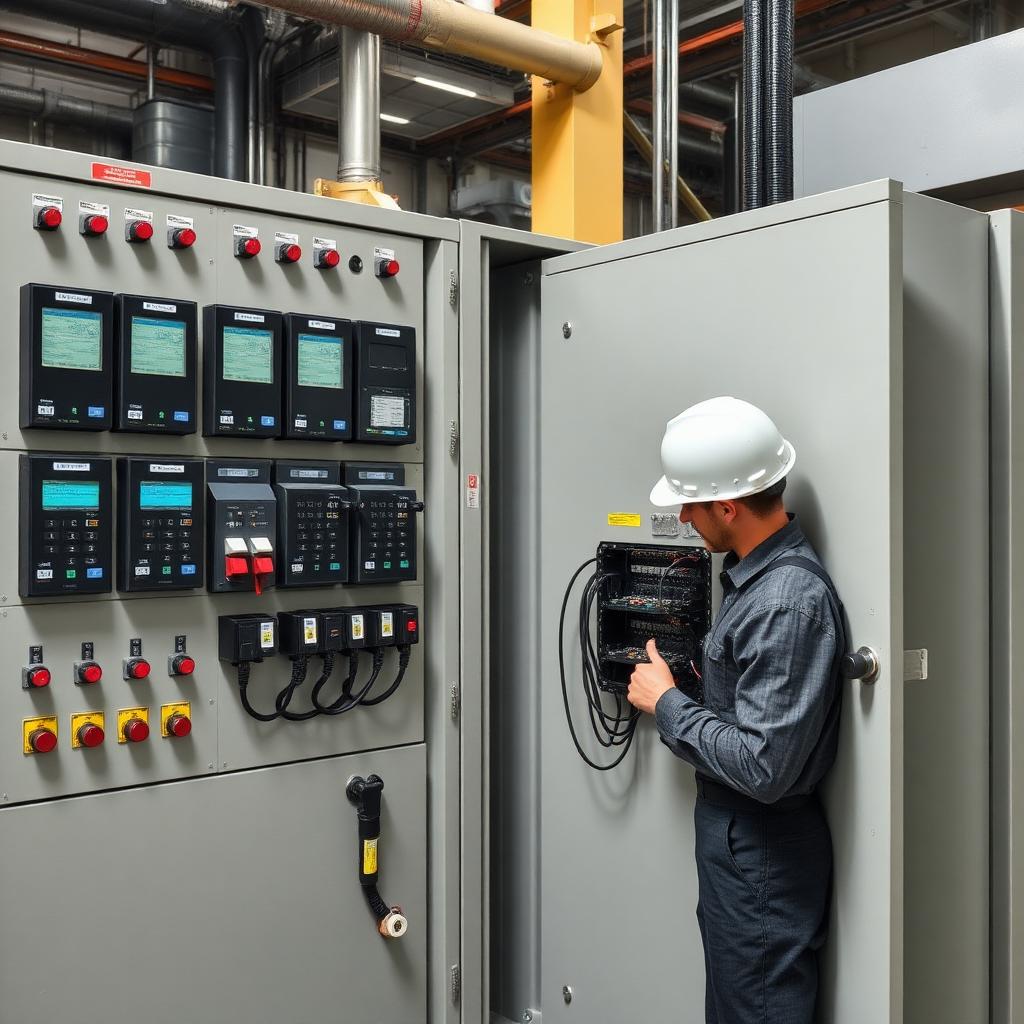
Insulation resistance, contact resistance, phase rotation, protective-relay and functional testing verify every circuit before energising.
Completion & Handover
As-built drawings, updated panel schedules, arc-flash labels and closeout documentation are delivered at project closeout.
Frequently Asked Questions
Can you support industrial projects?
Yes. Industrial scope, required trade qualifications, permits and project responsibilities can be reviewed during the proposal stage.
Do you carry the insurance our plant requires?
Project-specific insurance and documentation can be confirmed during the proposal process.
Can you work around our production schedule?
Absolutely. We routinely execute industrial work on nights, weekends and planned shutdown windows so production keeps running.
Do you handle arc-flash studies and labelling?
Yes — we coordinate with engineering firms for short-circuit and arc-flash studies and apply CSA Z462-compliant equipment labels as part of the deliverable.
What industries do you commonly serve?
Manufacturing plants, food and beverage processing, distribution centres, warehouses, sawmills, cannabis production, cold storage and light-industrial facilities.
Do you offer ongoing maintenance?
Maintenance programs can be scoped around the equipment, facility requirements and preferred service schedule.
How much can we save switching to LED high-bay?
Most plants cut lighting energy 50–70% versus HID or fluorescent, with additional controls savings on top. Rebates and utility savings usually pay back the project within two to three years.
Project Gallery